April 23, 2026
A kitchen can say a great deal about how a home functions and how a homeowner lives day to day. It is often one of the busiest rooms in the house, serving as a place for cooking, gathering, storage, and routine household activity. Because it gets so much use, it can begin to feel dated faster than other parts of the home. Cabinets show wear, layouts become less practical, appliances age, and design preferences shift over time. That leads many homeowners to wonder when it is actually time to update the space rather than continue making small cosmetic fixes.
There is no single timeline that works for every home, but there are clear signs that can help homeowners decide when a remodel makes sense. Some kitchens need attention because of worn materials or outdated systems, while others no longer match a family’s needs or style preferences. A well-timed renovation can improve function, comfort, appearance, and long-term value. By looking at how the kitchen performs, how old its features are, and how well it supports daily routines, homeowners can make a more informed decision about when kitchen renovations are worth pursuing.
Recognizing Signs of Kitchen Wear
One of the clearest indicators that a kitchen may need an update is visible wear and tear. Countertops can become scratched or stained, cabinet doors may sag or chip, flooring can lose its finish, and older backsplashes may begin to look tired compared to the rest of the home. Even when these issues seem minor on their own, they can add up and make the room feel neglected. A kitchen that shows heavy use often gives homeowners an early signal that it may be time to move beyond touch-ups and start planning a more complete improvement.
Wear is not only about appearance. Over time, surfaces and fixtures may become harder to clean, storage may feel less usable, and aging finishes can make the space less enjoyable to spend time in. When homeowners find themselves repeatedly repairing drawers, repainting cabinets, or replacing pieces one by one, a broader renovation may be the more practical option. In many cases, kitchen renovations become a smarter long-term choice than continuing to invest in temporary fixes that do not solve the larger problem.
Reviewing Changes in Daily Function
A kitchen may still look acceptable and yet fail to meet the needs of the household. Families grow, routines change, and cooking habits evolve. What once felt like a comfortable and efficient layout may start to feel cramped, awkward, or outdated. Homeowners may need more prep space, better storage, improved lighting, or room for multiple people to use the kitchen at the same time. These changes in how the room functions can be just as important as its appearance when deciding whether a renovation is needed.
Function-related concerns often show up in small frustrations that build over time. Maybe the refrigerator door blocks traffic flow, there is never enough room for countertop appliances, or the pantry no longer supports grocery storage for the household. A renovation can help address those everyday issues by improving workflow and making the space more practical. When the kitchen no longer fits the way the household actually lives, kitchen renovations can help bring the room back in line with current needs instead of outdated assumptions from years earlier.
Considering the Age of Materials
The age of a kitchen’s materials and features plays a major role in determining when an update may be appropriate. Cabinets, flooring, countertops, appliances, plumbing fixtures, and lighting all have different life spans, and even durable materials can begin to feel outdated after years of regular use. Styles also change over time. A kitchen designed fifteen or twenty years ago may still function, but it may include finishes, layouts, or color combinations that no longer match the rest of the home or current design preferences.
According to Fotile, Americans tend to renovate their homes about every three to five years to refresh aging features, improve functionality, or increase property value. While not every homeowner follows that exact cycle for a full kitchen remodel, the research reflects how often people reassess their living spaces. If a kitchen has not been updated in many years, it may be worth evaluating whether aging materials are affecting usability, maintenance, or appearance. In that situation, kitchen renovations can provide a more cohesive solution than replacing isolated elements one at a time.
Comparing Style With Modern Preferences
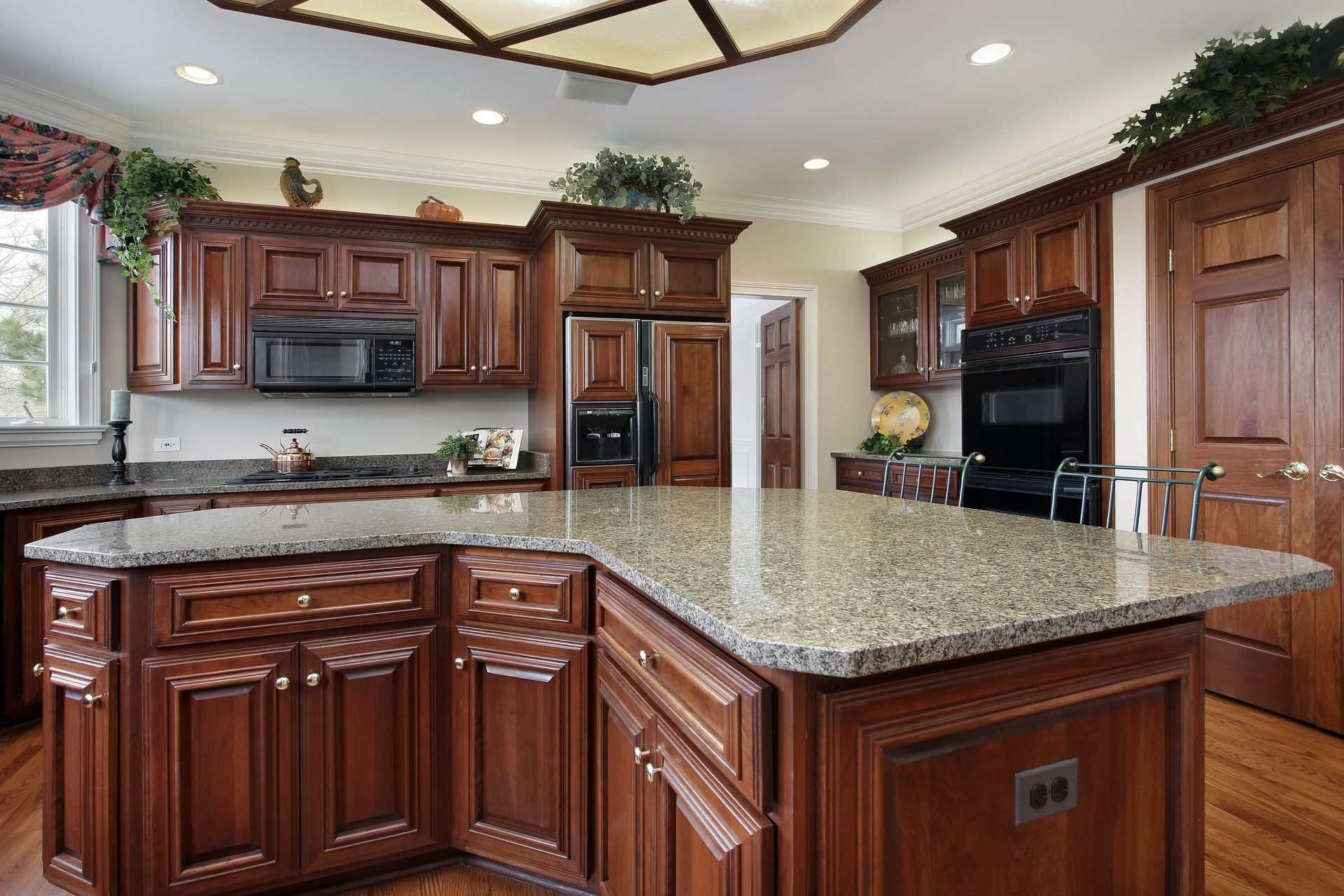
Design trends are not the only reason to renovate a kitchen, but style still matters. Kitchens are highly visible spaces, and an outdated design can affect how the entire home feels. Older kitchens may have dark finishes that make the room seem smaller, heavy decorative details that no longer fit current tastes, or layouts that separate the kitchen from the rest of the living space. Homeowners who want a fresher, brighter, or more open look may find that a renovation helps the kitchen feel more aligned with the rest of the home.
Keeping a kitchen up-to-date does not mean chasing every passing trend. Instead, it often means choosing a design that feels current while still being practical for years to come. This might involve simplifying cabinetry, improving lighting, updating surfaces, or creating a more timeless overall look. When a kitchen feels noticeably older than the rest of the house, it can become a visual distraction. That is one reason kitchen renovations are often planned not only for function, but also to create a space that feels inviting and current without losing long-term appeal.
Assessing Value Before Major Updates
Homeowners also tend to think about renovation timing in relation to home value. A dated kitchen can affect how a property is perceived, especially if the rest of the home has been improved. Buyers often pay close attention to kitchens because they know this room can be expensive to update later. Even for homeowners who are not planning to sell soon, it can still make sense to think about whether a kitchen supports the overall quality and condition of the property.
That does not mean every kitchen needs a high-end transformation. The better question is whether the current space supports the home’s value and livability. A thoughtful remodel can improve both without going beyond what makes sense for the property. Replacing worn surfaces, improving layout efficiency, and selecting more current finishes can all make a meaningful difference. In many cases, kitchen renovations are most effective when they balance present-day needs with long-term practicality instead of focusing only on short-term style preferences.
Planning Updates Around Real-Life Timing
The best time to renovate a kitchen often depends on life circumstances as much as design goals. Some homeowners decide to remodel after moving into an older home, while others wait until their routines change or their existing kitchen becomes too inconvenient to ignore. Budget, household schedules, and project scope all play a role. A renovation may be worth planning when it can be approached thoughtfully, rather than rushed after years of postponing issues that continue to grow.
It can help to think of kitchen updates as part of an ongoing effort to keep the home functional and appealing. Not every kitchen needs a full remodel every few years, but most benefit from periodic evaluation. If multiple features are wearing out, if the layout no longer works, or if the room feels clearly behind the rest of the house, it may be the right time to move forward. Kitchen renovations are often most successful when they are based on a combination of condition, function, and timing rather than a fixed calendar alone.
There is no perfect renovation schedule that applies to every kitchen, but there are clear reasons why homeowners choose to update this space over time. Visible wear, changing household needs, aging materials, outdated style, and property value concerns can all point to the right moment for improvement. The most useful approach is to look at how the kitchen performs today and whether it still supports the way your home functions. If your kitchen no longer feels practical, current, or enjoyable, kitchen renovations can provide the right solution, so contact Aspen Kitchens & Design to discuss a renovation that fits your goals.